LASIK has become one of the most popular vision correction procedures in the country, and New York patients have no shortage of places offering it. A quick search can return dozens of practices within an hour’s drive, each promising quick recovery, excellent results, and a comfortable experience.
What that kind of search rarely shows is how different these practices actually are. The laser platform, the preoperative workup, the surgeon’s training, and the follow-up philosophy can vary widely, and those differences directly shape the outcome you walk away with.
Keep reading to learn what to look for when choosing a LASIK surgeon in New York, and why the decision deserves more attention than a convenient location or a well-placed ad.
Why the Right LASIK Surgeon Makes a Real Difference
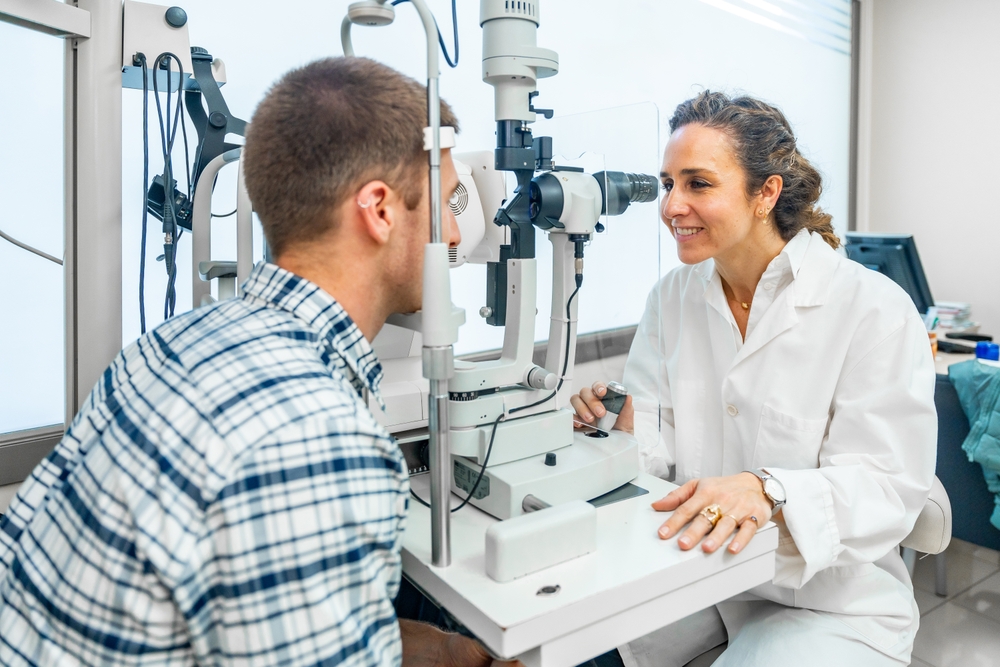
LASIK outcomes depend on far more than the laser doing the work. Your surgeon’s judgment shapes every step of the process, starting with whether you are a candidate at all and continuing through every decision during surgery and recovery.
Two patients with similar prescriptions can walk away with noticeably different visual results depending on how thoroughly they were evaluated beforehand. A rushed screening can miss thin corneas, early signs of dry eye, or subtle irregularities that change whether LASIK is safe or whether a different procedure would fit you better.
The surgeon is also the person who will see you through recovery. Complications from LASIK are uncommon, but when questions or concerns come up during healing, you want a surgeon who knows your case personally and can respond quickly.
Credentials, Training, and Experience Worth Looking For
Start with the basics. A LASIK surgeon should be a board-certified ophthalmologist, meaning they have completed medical school, an internship, and a three-year ophthalmology residency. This is different from an optometrist, who is an important part of your eye care team, but does not perform surgery.
Beyond the baseline, look for fellowship training or a long track record of refractive surgery specifically. LASIK is its own subspecialty within ophthalmology, and surgeons who focus heavily on refractive procedures tend to have deeper familiarity with candidate selection and the nuances of different corneal shapes.
Ask about case volume without treating it as the only measure. A surgeon who regularly performs LASIK is more experienced, but volume alone cannot replace careful evaluation. At Cheema MD Eye Care, Dr. Cheema brings expert-level refractive surgery training to every consultation, and the practice treats each patient as a distinct case rather than another procedure on the schedule.
Online reviews and word-of-mouth referrals can fill in the picture. Pay attention to comments about how questions were answered before surgery and how accessible the surgeon was afterward, not just whether the final vision result was good.
“After nearly 25 years of relying on contacts, getting LASIK with Dr. Cheema was truly one of the best decisions I’ve ever made. Dr. Cheema was kind, patient, and meticulous every step of the way. His team (especially Miranda!) made me feel cared for and completely at ease before, during & after surgery. I can’t recommend them highly enough.” – Recent Patient, Google Reviews
The Technology and Diagnostics a Careful Practice Uses
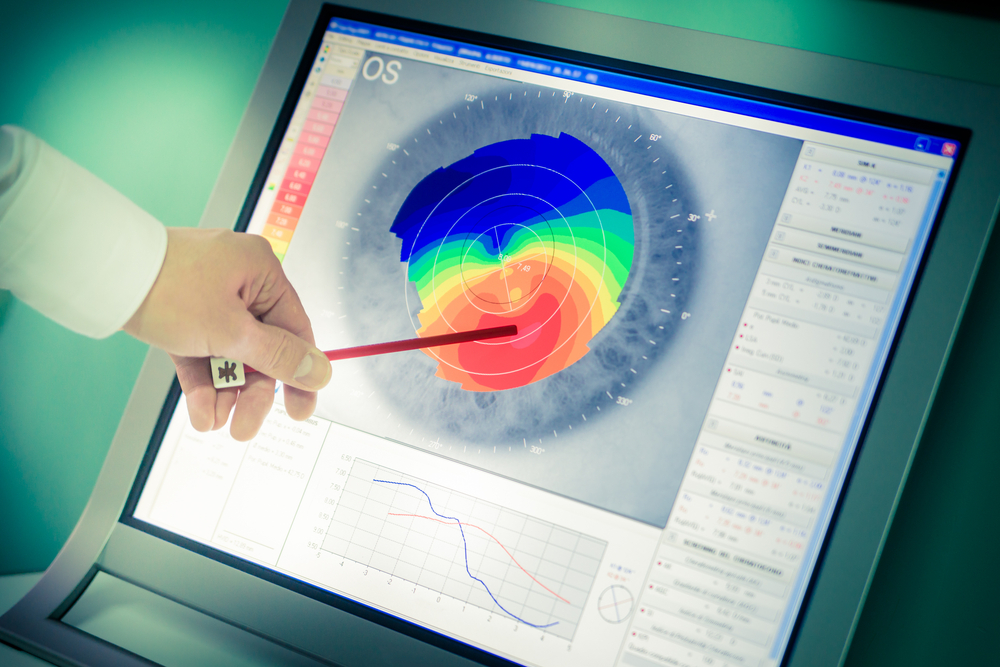
LASIK has evolved significantly over the last two decades. Modern procedures use a femtosecond laser to create the corneal flap and an excimer laser to reshape the cornea, with real-time eye-tracking that follows even tiny movements during treatment. A practice using current-generation equipment is better positioned to deliver accurate, predictable results.
Diagnostic equipment matters as much as the surgical lasers. Corneal topography, pachymetry, and wavefront mapping reveal the shape and thickness of your cornea, along with how light travels through your eye. These readings allow a surgeon to customize treatment and confirm that LASIK is the right option in the first place.
Ask during your consultation when the practice last upgraded its laser platform and whether they offer both wavefront-guided and topography-guided treatment options. The answer tells you how actively the practice invests in its patients’ outcomes. Newer technology alone does not make a better surgeon, but outdated technology can limit what even an excellent surgeon can do for your specific eyes.
If a practice cannot clearly explain which diagnostics they perform, or if the equipment in the exam room looks noticeably older than the marketing suggests, ask more questions before moving forward.
What a Thorough Consultation Should Feel Like
A careful LASIK consultation takes time. Expect a comprehensive eye exam that looks beyond your refraction, including measurements of corneal thickness and shape, a tear film evaluation, and a conversation about your medical history and daily visual demands.
The surgeon should discuss your lifestyle and whether LASIK is a good fit for you. If you have thin corneas, significant dry eye, or an unusual corneal shape, they should raise alternatives like PRK or the EVO ICL instead of pushing LASIK forward. A practice that treats every patient as a LASIK candidate may not be looking closely enough.
You should also leave the consultation with clear instructions on how to prepare for LASIK and what to expect on the day of surgery. Clear communication before the procedure is one of the strongest signals that a practice values informed patients over fast conversions.
The American Refractive Surgery Council notes that you should never feel pressured to schedule on the same day as your consultation. A good surgeon wants you to go home, think it over, and return with questions.
Patient Experience, Costs, and Long-Term Care

LASIK pricing in New York varies, and the lowest advertised number rarely reflects what most patients pay after the full diagnostic workup, premium laser platforms, and follow-up visits are included. Ask for an all-inclusive quote and compare it against what the consultation and aftercare actually cover at each practice.
The affordability of LASIK often looks different once you weigh the long-term savings on glasses and contact lenses, but the cost comparison between surgeons should be based on what is included, not on which quote sounds lowest at first glance.
Follow-up care is where patient experience tends to separate the careful practices from the high-volume ones. Your postoperative visits should be with the surgeon or a familiar member of the care team, not a rotating cast of staff who do not know your case. Plan to have your first-day, first-week, and first-month follow-ups scheduled before you leave the surgery center.
Find the Right LASIK Surgeon for You in New York
The right LASIK surgeon in New York is the one who takes time with your evaluation, speaks with you in plain language, and stays personally involved through your recovery. That standard is worth a longer drive or a second consultation if the first one did not meet it.
Wondering if Cheema MD Eye Care is the right LASIK practice for you in the Hudson Valley? Schedule an appointment at Cheema MD Eye Care in Kingston, NY, today.