It’s late afternoon, you’ve been staring at a spreadsheet since lunch, and the furnace just kicked on for the first time this season. Your eyes feel gritty and a little red, and you’ve already reached for eye drops twice today. For many people in Kingston and across the Hudson Valley, this pattern gets worse once the weather turns cold.
Occasional dryness happens to almost everyone. When it shows up most days, though, parts of your daily routine may be feeding the problem, and a few small adjustments can make a noticeable difference in how your eyes feel.
Keep reading to learn more about six simple habits that can ease the symptoms of dry eye and when it makes sense to see your eye doctor.
1. Take Regular Blink Breaks During Screen Time

When you concentrate on a screen, you blink far less often than usual. Many of those blinks are also partial, meaning your upper lid never fully meets the lower one. Each complete blink spreads a fresh layer of tears across your eye, so fewer and shallower blinks leave the surface exposed and drying out.
The 20-20-20 rule is a simple strategy that can help people who spend long hours working on a computer. Every 20 minutes, look at something about 20 feet away for at least 20 seconds, and use that pause to blink slowly and fully a few times. A recurring reminder on your phone or computer can help until the habit sticks.
Screen position matters too: placing your monitor slightly below eye level means your eyes don’t open as wide while you work, reducing how much tear film is exposed to air.
2. Add Moisture to Your Indoor Air
Hudson Valley winters are hard on dry eyes, as forced-air heating pulls humidity out of your home, and the cold, dry air outside offers little relief. Tears evaporate faster in low humidity, which is why many patients notice symptoms flare between late fall and early spring.
A humidifier in your bedroom or home office adds moisture back into the air you spend hours breathing. Pay attention to airflow as well: ceiling fans, space heaters, and car vents aimed toward your face all speed up evaporation, so redirect them when you can.
Outdoors, wraparound sunglasses block wind and dust on breezy days, whether you’re walking along the Rondout or clearing snow from the driveway.
3. Support Your Tears From the Inside Out

The outer oil layer of your tear film keeps the watery layer beneath it from evaporating too quickly. Omega-3 fatty acids may help the glands in your eyelids produce better-quality oil, which is why your eye doctor may suggest adding more of them to your diet.
Good food sources of omega-3s include:
- Fatty fish such as salmon, sardines, and mackerel
- Walnuts
- Ground flaxseed and chia seeds
- Soybeans and tofu
Omega-3 supplements are another option. Talk with your eye doctor or primary care provider before starting one, especially if you take a blood thinner.
Hydration counts as well; your body needs enough water to produce tears, and even mild dehydration can make dryness feel worse. Keeping a water bottle within reach at your desk makes it easier to sip throughout the day.
4. Build a Warm Compress and Eyelid Hygiene Routine
The most common form of dry eye is evaporative dry eye. It develops when the meibomian glands along your eyelid margins become clogged and not enough oil reaches the tear film. Warmth softens thickened oils and helps them flow more freely.
Try holding a clean, warm washcloth or a microwavable eye mask over your closed eyes for about 10 minutes once or twice a day, rewarming the cloth as it cools. Afterward, gently clean along the lash line with a lid wipe or a diluted, tear-free cleanser to clear away debris that can block the glands.
Remove eye makeup completely each night, and avoid lining the inner rim of your lids, where eyeliner sits directly over the gland openings. Consistency matters more than intensity with this routine, and results usually build over several weeks.
5. Rethink Your Contact Lens Habits
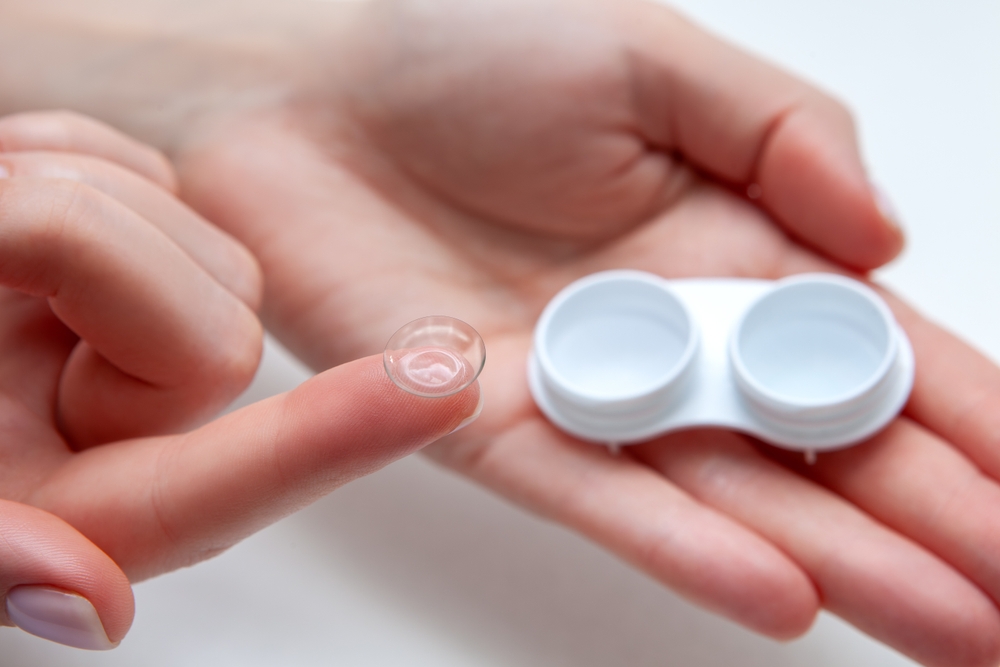
Contact lenses sit directly on the tear film. They can absorb moisture and disrupt how tears spread across your eye, and wearing them longer than recommended, sleeping in them, or stretching a two-week pair into a month can all worsen dryness.
Follow the wear schedule your eye doctor prescribed, and give your eyes lens-free time in the evenings or on weekends. Daily disposable lenses work well for some wearers, since a fresh pair each morning avoids the protein and debris buildup that collects on reusable lenses. Rewetting drops designed for contacts can also help during long days.
Some lens wearers with dry eye start looking into vision correction so they can stop wearing contacts altogether. Procedures affect the tear film differently, so your eye doctor will evaluate your eyes before recommending one. Most often, eye doctors will recommend EVO ICL or PRK over LASIK for dry eye patients, as the incisions made during LASIK can worsen dry eye.
6. Take a Closer Look at Your Eye Drops and Medications
Redness-relief drops can make your eyes look clearer for a few hours, but frequent use can lead to rebound redness, and they do nothing for dryness. If you use artificial tears more than four times a day, preservative-free versions are usually gentler on the surface of your eye.
Some oral medications also reduce tear production. Antihistamines, decongestants, certain antidepressants, and some blood pressure medications are common examples. Never stop a prescribed medication on your own, but do mention your dry eye symptoms to the doctor who prescribed it, since an alternative may be available.
Prescription eye drops can contribute as well. If you use daily drops to manage glaucoma and notice ongoing stinging or redness, bring it up at your next visit. Depending on your situation, laser treatment for glaucoma may reduce or replace the need for daily drops.
Find Lasting Relief for Your Dry Eyes
Lifestyle changes help many people feel more comfortable, but they have limits. If your eyes still burn, feel gritty, or water excessively after several weeks of new habits, you may need medical treatment for chronic dry eye. A comprehensive eye exam helps determine what type of dry eye you have and what’s driving it.
Dr. Cheema can then recommend treatment matched to the cause, such as medicated eye drops, punctal plugs that help natural tears stay on the eye longer, or LipiFlow, an in-office treatment that applies heat and gentle pressure to clear blocked meibomian glands.
Still dealing with dry, gritty eyes after changing your daily habits? Schedule an appointment at Cheema MD Eye Care in Kingston, NY, today.